When a violent crime, unattended death, or traumatic accident happens in a home or business, the aftermath brings two questions almost every family and property owner asks right away: how long will this take to clean up, and what is it going to cost? These are fair questions, and the honest answer is: it depends on the scene. But there are patterns and ranges that can help you know what to expect.
If you’re facing this situation right now in South Florida, you don’t have to figure it out alone – a certified crime scene cleanup team can walk you through the process from the first phone call. Below, we break down the timeline, the cost factors, and what actually happens during a professional remediation.
Why Crime Scene Cleanup Isn’t a Quick Job
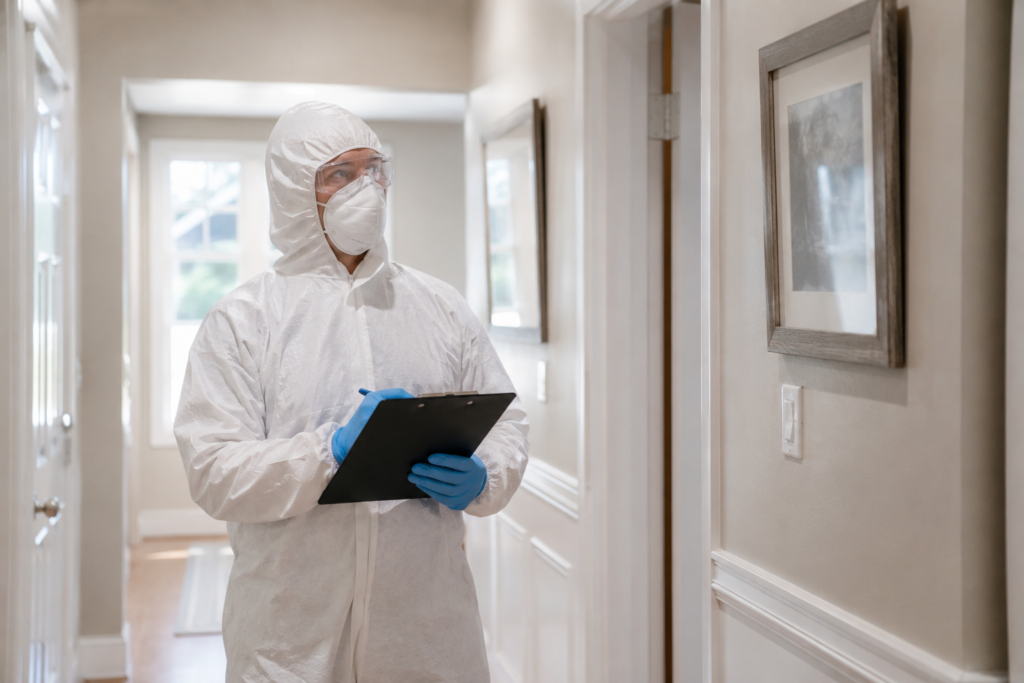
Unlike a standard cleaning service, crime scene cleanup – also called biohazard remediation or trauma cleaning — is a regulated, technical process. Technicians aren’t just removing visible mess; they’re identifying and eliminating bloodborne pathogens, decontaminating porous materials, and safely disposing of biohazardous waste according to OSHA and state health guidelines.
Blood and other bodily fluids can carry pathogens like MRSA, Hepatitis B and C, and HIV. In Florida’s heat and humidity, these contaminants can also seep into subflooring, grout, and drywall faster than in cooler climates, which sometimes means more material needs to be removed and treated. That combination of biological risk and environmental urgency is why the process takes real time to do correctly, even when a scene looks “cleanable” on the surface.
Typical Timeline: From Hours to Several Days
Most crime scene cleanups fall into a few general timeframes, depending on the type and size of the incident.
Small, contained scenes (2–6 hours): A single room with a limited blood spill – for example, from an accident or a medical emergency – can often be fully remediated in a single visit. This includes assessment, decontamination, disposal of hazardous materials, and deodorization.
Moderate scenes (1–2 days): Situations involving multiple rooms, larger volumes of bodily fluids, or the need to remove and replace flooring, carpet padding, or drywall usually take longer. This is common with homicide cleanup and violent crime scenes, where evidence recovery by law enforcement must also be completed before remediation crews can begin.
Complex or prolonged scenes (3–7+ days): An unattended death cleanup, particularly one discovered after a significant period of time, often requires the most extensive work. Decomposition affects a much wider area than the immediate scene – odor and fluids can travel into walls, subflooring, and HVAC systems – so full remediation, deodorization, and sometimes structural repair can extend the timeline considerably.
Keep in mind that the cleanup clock doesn’t always start immediately. In active criminal investigations, the property is typically treated as a crime scene until law enforcement or the medical examiner releases it. Only after that release can a professional remediation company legally begin work – something to plan for if you’re coordinating with family, insurance, or property managers.
What Affects the Cost of Crime Scene Cleanup
There’s no flat, one-size-fits-all price for this work, but most quotes are built around the following factors:
1. Size of the affected area:- A single-room incident costs far less to remediate than a scene spanning multiple rooms or floors.
2. Type of incident:- Blood cleanup services for a contained accident are generally less involved than a suicide scene cleanup or trauma scene decontamination following a violent event, which may involve a wider spread of biological material.
3. Materials that need to be removed:- Porous materials – carpet, padding, drywall, subflooring, upholstered furniture – often can’t be fully sanitized and must be removed and disposed of as biohazardous waste, which adds both labor and disposal costs. Non-porous surfaces like tile, sealed concrete, or metal can usually be treated and disinfected in place.
4. Odor remediation:- Situations involving decomposition or prolonged exposure typically require additional deodorization treatments, such as ozone or hydroxyl generators, which extend both time and cost.
5. Disposal and hazardous waste handling:- Biohazardous materials must be transported and disposed of through licensed medical waste channels, not standard trash pickup. This regulated disposal process is factored into every quote.
6. Travel and after-hours response:- Emergency, after-hours, or holiday response may carry a premium, though many companies – including ours – offer 24/7 service at consistent rates rather than surge pricing.
Because of these variables, professional companies almost always require an on-site or photo-based assessment before quoting a firm price. Be cautious of anyone who gives you an exact number over the phone without seeing the scene first.
Does Insurance Cover the Cost?
This is one of the most common – and most reassuring – pieces of information for families in this situation: in many cases, yes. Most homeowners, renters, and commercial property insurance policies include coverage for biohazard, trauma, or crime scene remediation, often under vandalism, accidental death, or property damage provisions.
A reputable cleanup company should be able to help document the scene properly and work directly with your insurance provider to file the claim, which can significantly reduce or eliminate your out-of-pocket cost. We’ve covered this topic in more detail in our guide on whether homeowners insurance covers biohazard cleanup in Florida, which walks through what’s typically covered and how the claims process works.
What the Cleanup Process Actually Involves
Understanding the steps involved helps explain both the timeline and the cost:
- Scene assessment. Technicians evaluate the scope of contamination, materials affected, and safety hazards before work begins.
- Containment. The area is isolated to prevent cross-contamination to unaffected parts of the property.
- Removal of hazardous materials. Contaminated porous materials are removed and bagged for licensed disposal; non-porous surfaces are treated on-site.
- Cleaning and disinfection. Industrial-grade, EPA-registered disinfectants are applied to eliminate bloodborne pathogens and other biological hazards.
- Deodorization. Specialized equipment neutralizes odor at the source rather than masking it.
- Final inspection. The space is verified as safe and sanitized before the job is considered complete.
If the incident also involved bodily fluids beyond blood, or required broader decontamination – such as after an accident involving multiple substances – services like bodily fluid removal or forensic cleanup may be part of the scope as well.
Why DIY Cleanup Isn’t Worth the Risk
It might be tempting to save money by cleaning a scene yourself, especially if it looks manageable. But standard household cleaners aren’t designed to neutralize bloodborne pathogens, and without the right PPE and disposal process, you risk both health exposure and improper (sometimes illegal) disposal of biohazardous waste. We’ve written more on this in our comparison of DIY vs. professional biohazard cleanup for Florida residents, which covers exactly where the line should be drawn.
Getting Help Quickly in South Florida
If you’re dealing with a crime scene, accident, or unattended death right now, the most important step is calling a certified team as soon as the property is released by authorities. We provide 24/7 emergency response across Miami-Dade and South Florida, including Hallandale Beach, Miramar, Aventura, Pembroke Pines, and the surrounding areas – with a typical on-site arrival window of 1 to 3 hours. You can see our full coverage map on our areas we serve page.
Our technicians arrive in unmarked vehicles to protect your privacy, and we work directly with most major Florida insurance providers to help minimize your out-of-pocket expense during an already difficult time.
Frequently Asked Questions
Can I stay in the home while cleanup is happening?
It depends on the scope of the job. For smaller, contained scenes, you can often remain elsewhere in the property. For larger jobs involving odor remediation or structural removal, technicians may recommend staying elsewhere until the space is cleared as safe.
Who decides when cleanup can begin?
If the incident involved a police investigation, the property must be officially released by law enforcement or the medical examiner before any remediation company can legally begin work.
Is same-day service available?
Yes, in most cases. Once a property is released, a certified team can typically be on-site within 1 to 3 hours for emergency response, and many smaller jobs are completed the same day.
What happens to items that can’t be cleaned?
Contaminated porous materials – carpet, padding, certain furniture – are documented, removed, and disposed of through licensed biohazard waste channels rather than regular trash service, which insurance claims typically account for.
The Bottom Line
Most crime scene cleanups take anywhere from a few hours to about a week, depending on the size and severity of the incident, and costs vary just as widely based on materials affected, disposal needs, and odor remediation. The best way to get an accurate answer for your specific situation is a professional, no-obligation assessment.
If you need help right now, contact us for a free quote, or learn more about our team and our approach to compassionate, discreet remediation across South Florida.
Leave a Reply